
Warm-edge spacers are a small, easy-to-overlook component that has a real effect on a window’s energy performance and its resistance to condensation, worth understanding when comparing window products. Our energy-efficient window solutions include this component as a standard feature.
What Are Warm-Edge Spacers?
A spacer is the material that separates the panes of glass in an insulated window unit, maintaining the precise gap that holds the insulating gas fill and keeps the panes from touching. Traditional spacers were made from aluminum, a strong material but also a poor insulator that conducts heat readily along the edge of the glass. A “warm-edge” spacer replaces or modifies that aluminum construction with a material that conducts heat far less efficiently, reducing energy loss specifically at the edge of the glass unit.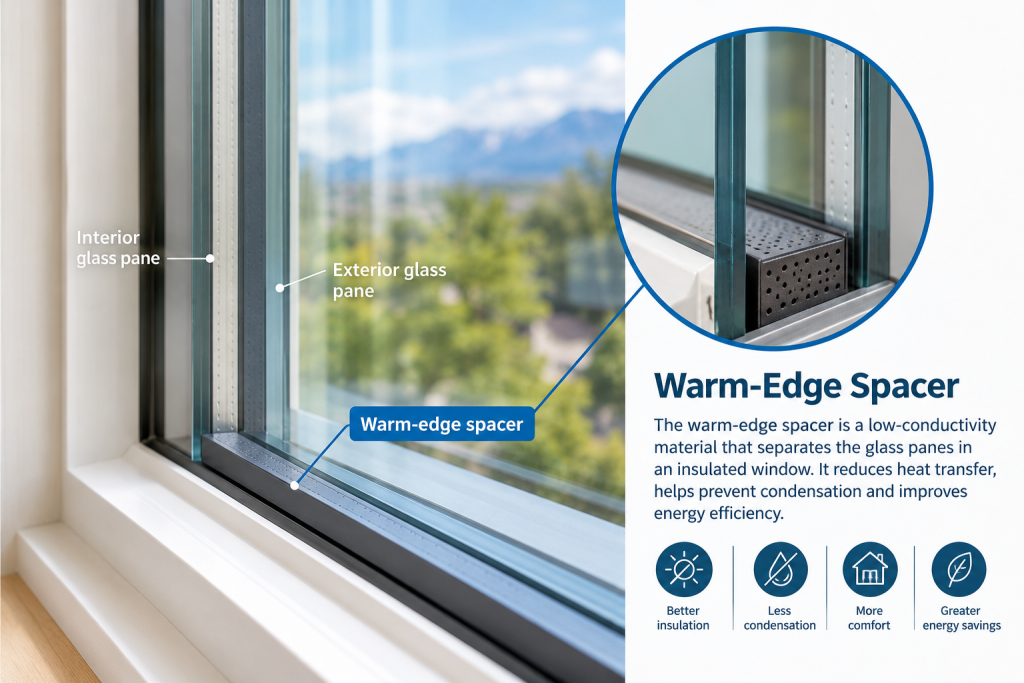
Metal vs. Foam vs. Structural Spacers
Warm-edge spacer designs vary by manufacturer, but common approaches include stainless steel (thinner and less conductive than standard aluminum), foam-based spacers, and structural composite spacers that combine a rigid frame with a low-conductivity material. Each design aims to reduce the same problem, heat bridging directly through the spacer material at the edge of the glass, but they differ in cost, durability, and how well they resist long-term seal failure. Our professional window installation services team can advise on which spacer type is used in the products we install.
Condensation Resistance Benefits
Because a warm-edge spacer keeps the edge of the glass closer to room temperature rather than allowing it to get as cold as the outdoor air in winter, it also reduces the likelihood of condensation forming along the edge of the window. Standard aluminum spacers, being much better heat conductors, allow the edge of the glass to get noticeably colder, a common spot for condensation and even frost to form on the interior in cold weather. This is a genuine, visible difference homeowners often notice even without knowing the technical reason behind it. Our full lineup of replacement windows includes warm-edge spacer technology across our product line.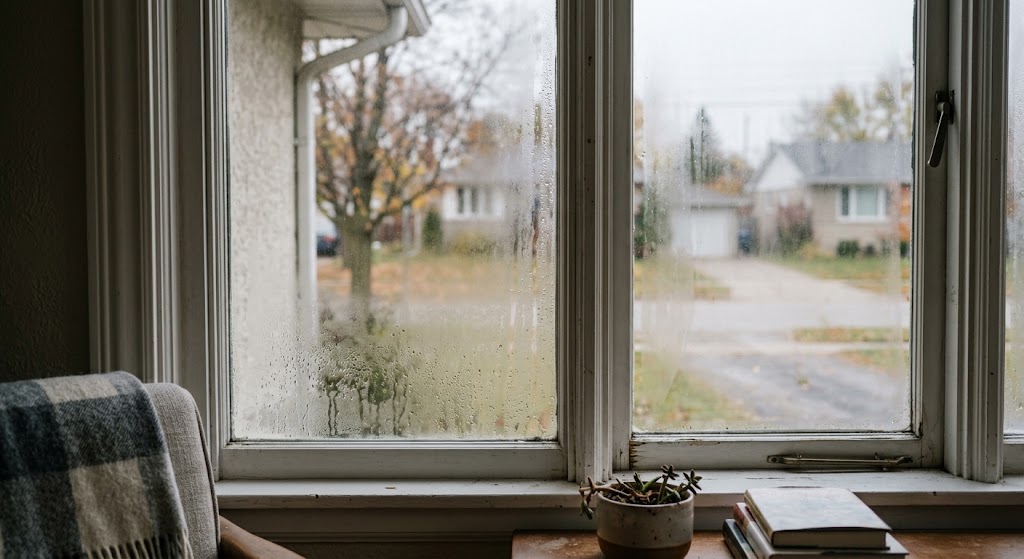
How Spacers Affect Overall Window Performance
Spacer material specifically affects a window’s edge-of-glass U-factor, a detail that factors into the overall U-factor rating on a window’s NFRC label but isn’t always broken out separately in marketing materials. Our Window Energy Ratings Explained guide covers how U-factor and other NFRC ratings work as a whole, and a warm-edge spacer is one of several components, alongside gas fill and glass coatings, that contribute to that final number. Our Insulating Gas Window Fills guide covers the gas-fill side of the equation, another factor working alongside spacer design to determine overall performance.
Why Spacer Material Matters When Comparing Windows
Warm-edge spacer technology is a small but genuine factor in a window’s real-world energy performance and condensation resistance, worth asking about specifically rather than assuming all insulated glass units are built the same. It’s a detail easy to overlook next to bigger-picture features like frame material or pane count, but it affects performance at exactly the spot, the edge of the glass, where standard construction traditionally performed worst. Our Double Pane vs. Triple Pane Windows guide covers how pane count interacts with these other performance factors.
Curious how spacer technology affects the windows you’re considering? Schedule a free consultation with our Salt Lake City team for a free quote. You can also check out our business profile and reviews from other Salt Lake City homeowners.